
2nd life for a top sound system
COCINA TRES - DUBAI | Architectural Acoustics + Tailored Audio Solution
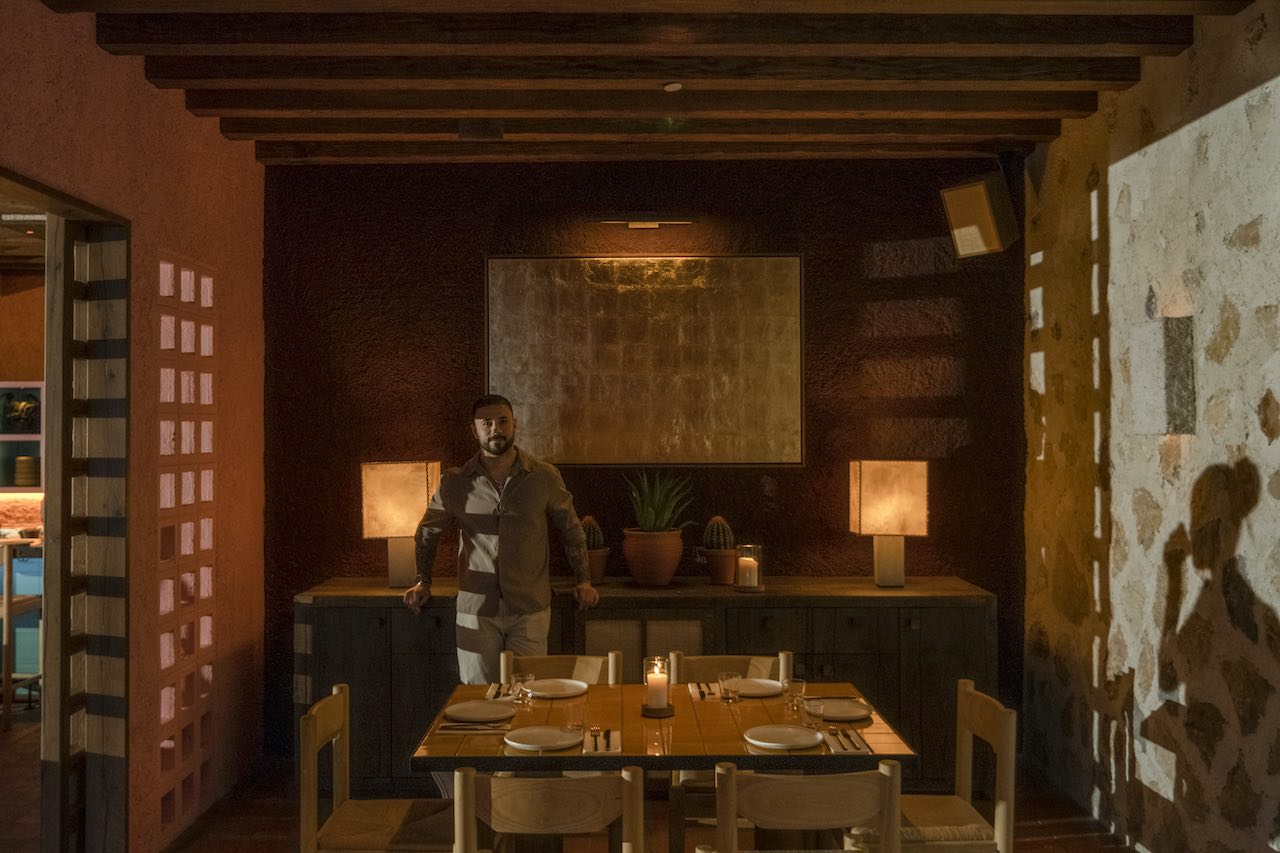
The latest installment by VKD Hospitality comes in the form of a reinvented mexican restaurant concept, where sound quality was required to be one of the main ingredients of their elevated dining experience.
Keeping true to the high audio quality of their projects, Varun and Khalil opted for the same sound system they have at Miss Lily's to deliver the auditory experience they grew to love so much!
CHALLENGES
- Repurposing the client's existing Stage Accompany sound system with new venue requirements
- Designing an acoustics environment that is relatable to the function and architecture of the restaurant
STRATEGIES
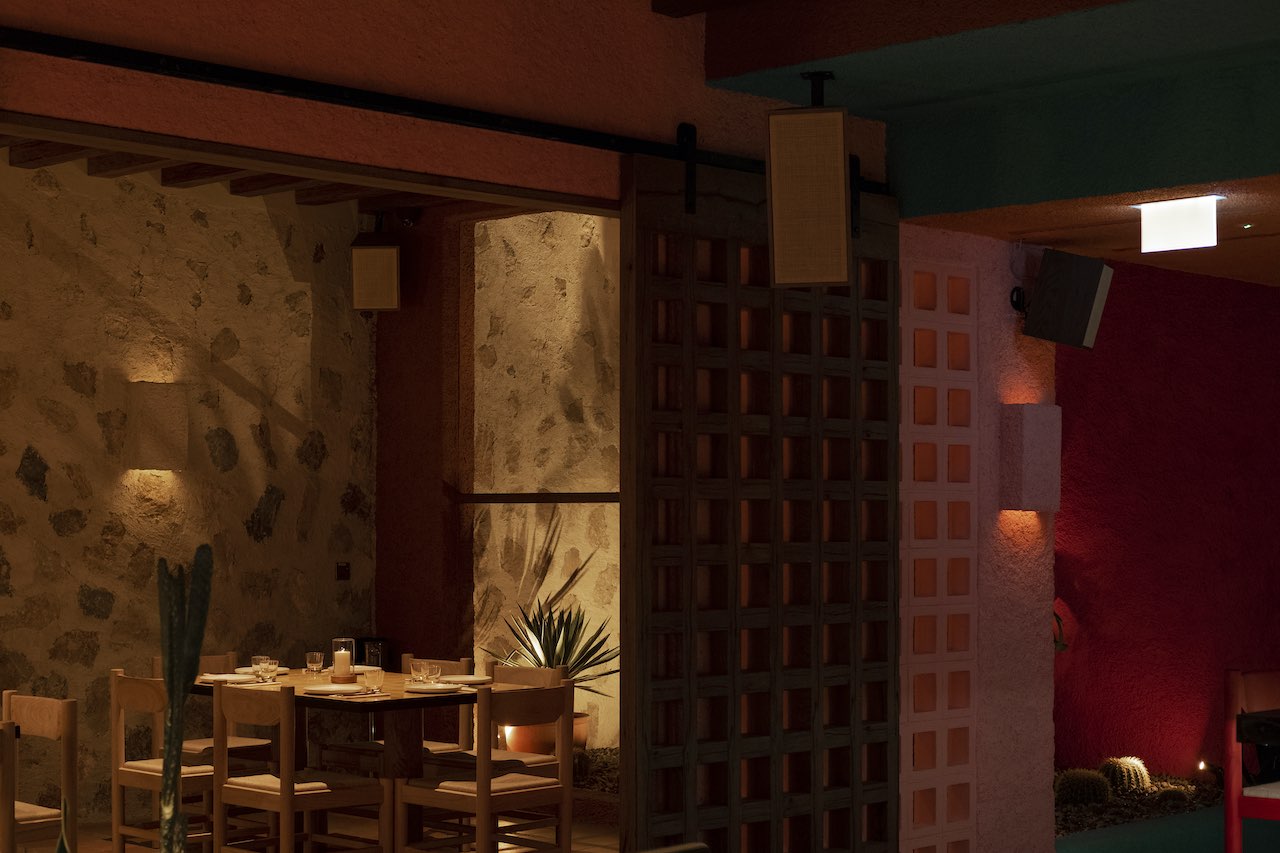
- Re-boxing the full-range speakers of the Stage Accompany sound system
- Concealing subwoofers in the ceiling and within perforated enclosures
- Wood-wool finished ceiling system backed with mid-density Rockwool for improved absorption of excess acoustic energy
AUDIO WIRING DIAGRAM AND ACOUSTIC TREATMENT LAYOUT
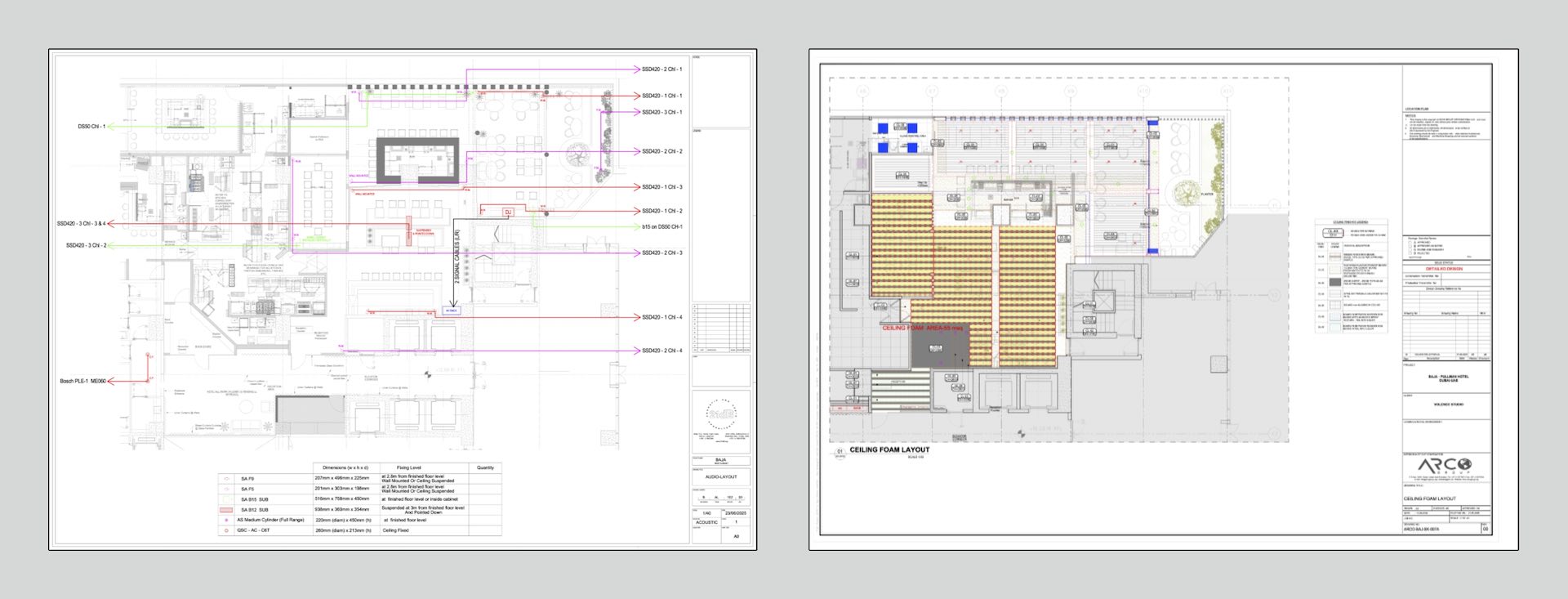
The acoustic strategy focused on controlling reverberation while preserving the architectural language of the space. In the indoor areas, a finished CELENIT wood-wool ceiling system was used as the primary acoustic treatment, backed with 50 mm high-density rockwool (60 kg/m³) to enhance broadband absorption. This approach allowed acoustic performance to be embedded directly into the ceiling plane, maintaining visual continuity while improving comfort, speech intelligibility, and overall sound balance within the restaurant environment.
Beyond achieving even sound distribution, the audio strategy prioritized visual discretion and architectural integration of the Stage Accompany sound system. Subwoofers were concealed above the ceiling or within perforated enclosures, while the full-range speakers were re-boxed so their finishes aligned with the interior aesthetic. In the outdoor garden, Architettura Sonora medium cylinder loudspeakers were selected and positioned to blend seamlessly into the landscape, ensuring that no single audio element visually dominated the space.
